A Country in the Grip of Jihad
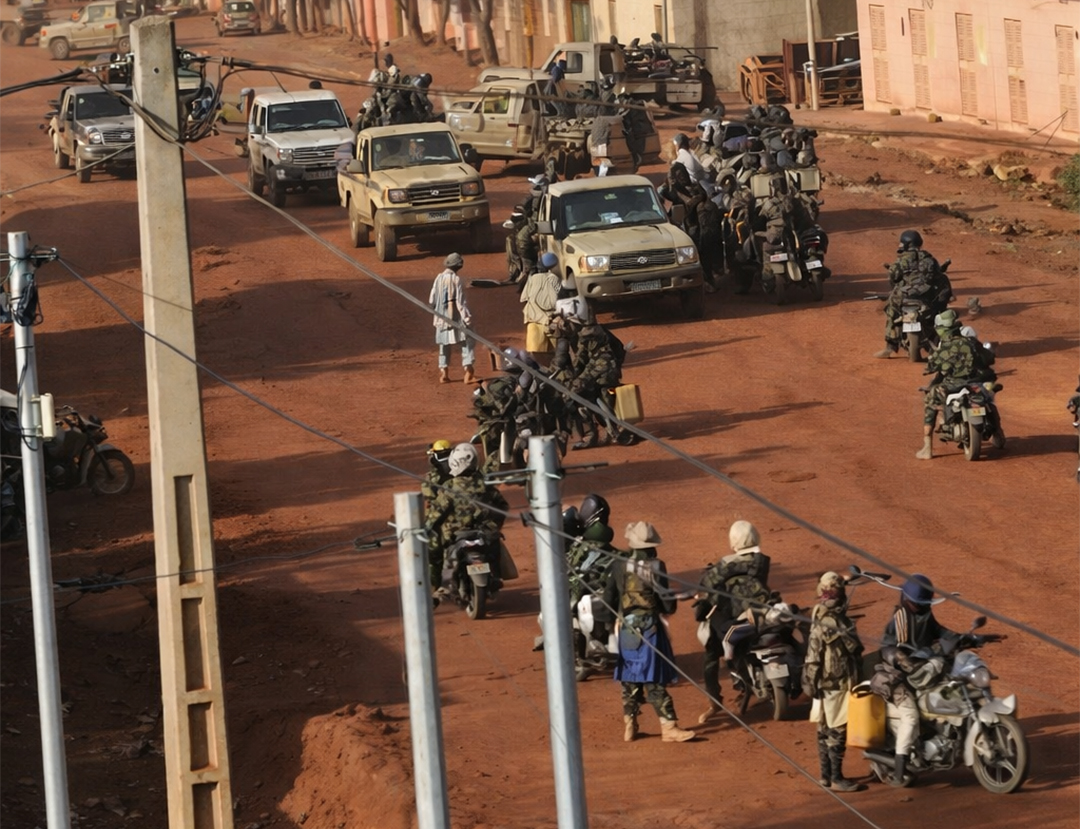
However, during the same wave of attacks, numerous villages were also attacked and burned to the ground. Attackers, security forces, and civilians lost their lives in the violence. In the evening, the military reported that the situation was largely under control and imposed a 72-hour curfew in the capital. A wave of attacks on this scale is unprecedented and demonstrates the determination of Islamist terrorists. Our team in Bamako and the surrounding area has temporarily suspended its activities and is waiting until the curfew is lifted and the situation has calmed down somewhat.
The country needs healing and hope, as the security situation remains tense. The most recent attack on a fuel convoy took place on January 29. Several drivers were murdered, and their bodies mutilated. For more than two weeks now, the army has managed to escort fuel convoys, ensuring that fuel is once again available in the capital. But in the interior of the country, the situation for the population is increasingly worsening.
Many people face an inhumane choice: either they accept the conditions imposed by jihadist groups—including payments, the veiling of women, forced marriages, or the closure of schools that do not teach the Quran—or they risk the destruction of their homes. Outside the cities, Sharia law is strictly enforced, particularly on buses, on the streets, and in villages.
Travel within the country has become extremely difficult due to numerous checkpoints set up by jihadist groups. At the same time, production facilities outside the villages are being deliberately destroyed, further exacerbating the already high unemployment rate and depriving many people of their livelihoods. Numerous villages have been destroyed, and thousands of people are homeless and wandering about without support.
The consequences of this ongoing violence are devastating. More than 2,300 schools have been closed across the country, leaving over 700,000 children without access to education—whether for ideological reasons or due to acute insecurity and targeted attacks on teachers.
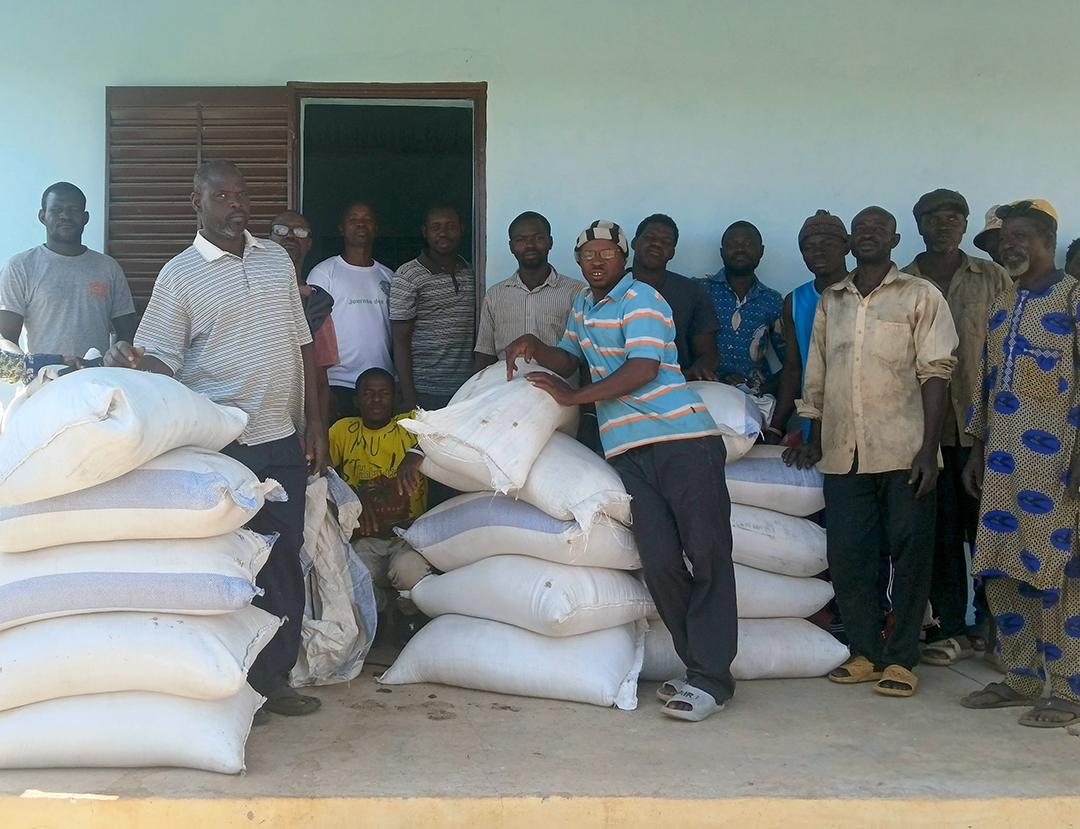
At the same time, the situation is further escalating due to new refugee movements. Every day, hundreds of people from Burkina Faso arrive in the city of Koro in central Mali. There, AVC operates the Nehemia settlement with an agricultural project for Christian internally displaced persons.
Christian congregations are also under intense pressure. In some regions, churches have had to close because believers could not pay the required levies. Other congregations remain open—but only because they submit to paying the jizya, a tax on non-Muslims.